Plain, printed, embroidery, appliqué, and jacquard

Journal
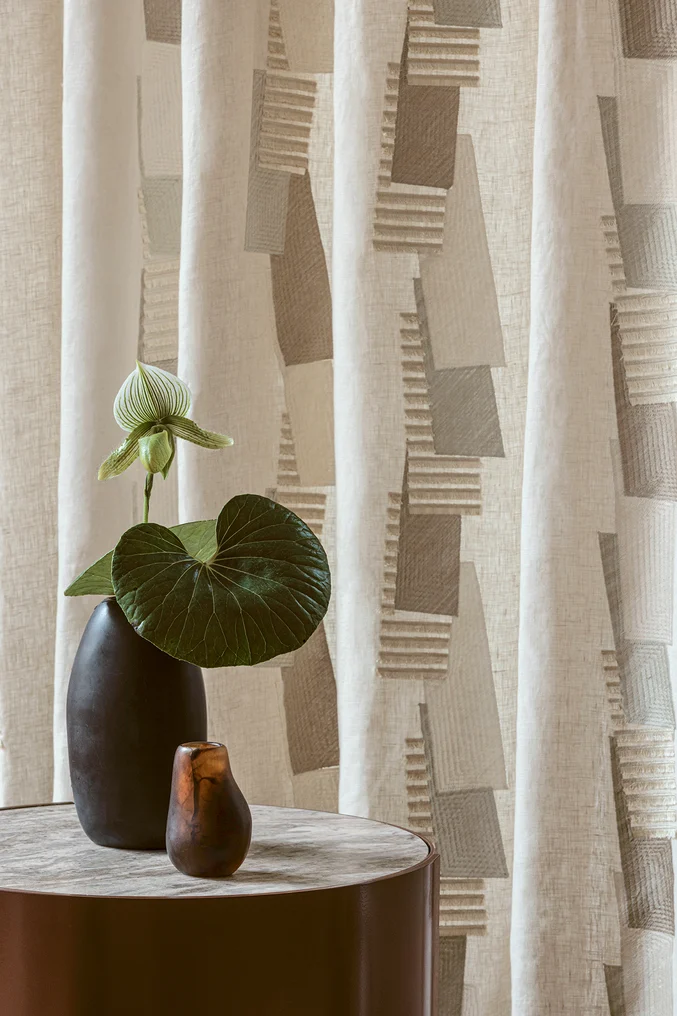
Embroidery | Assemblage colour Pumice by Mokum
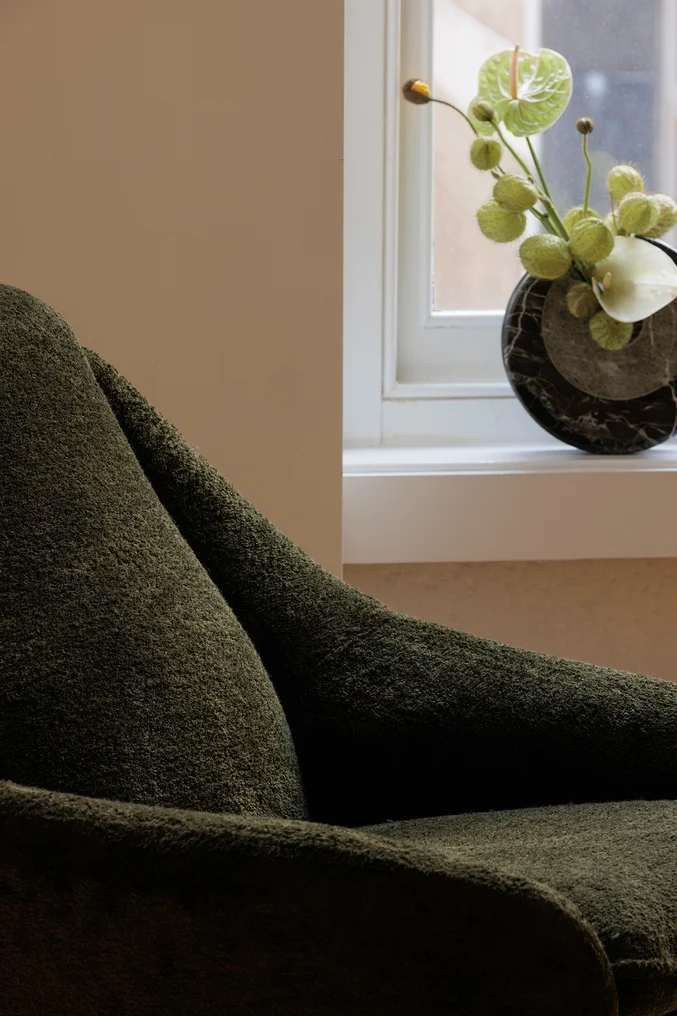
Plain | Modernist colour Olive by Mokum
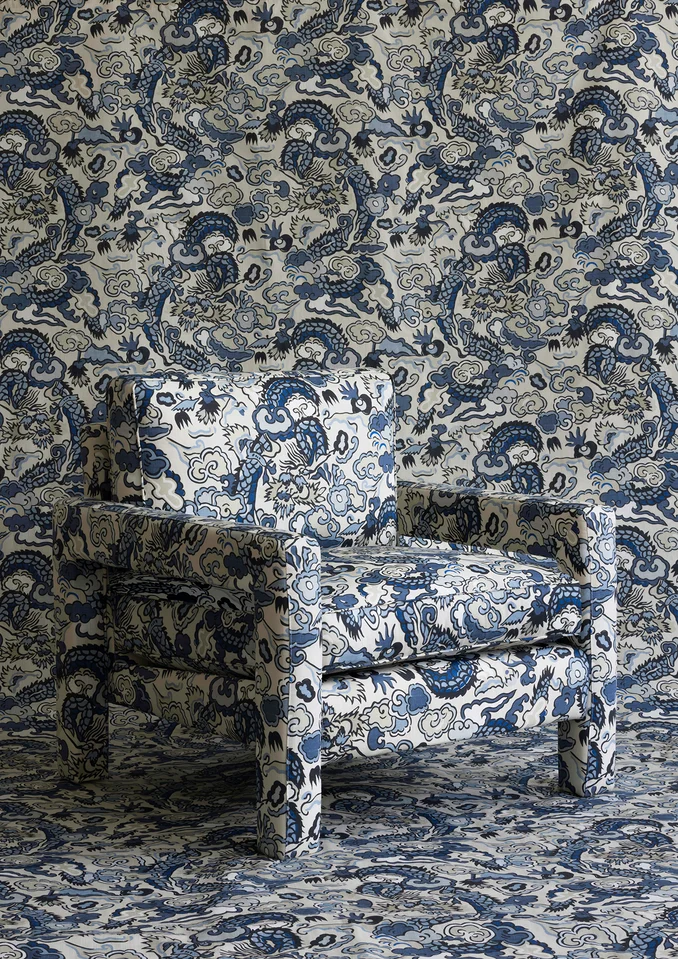
Printed | Komodo Dragon colour Porcelain by James Dunlop
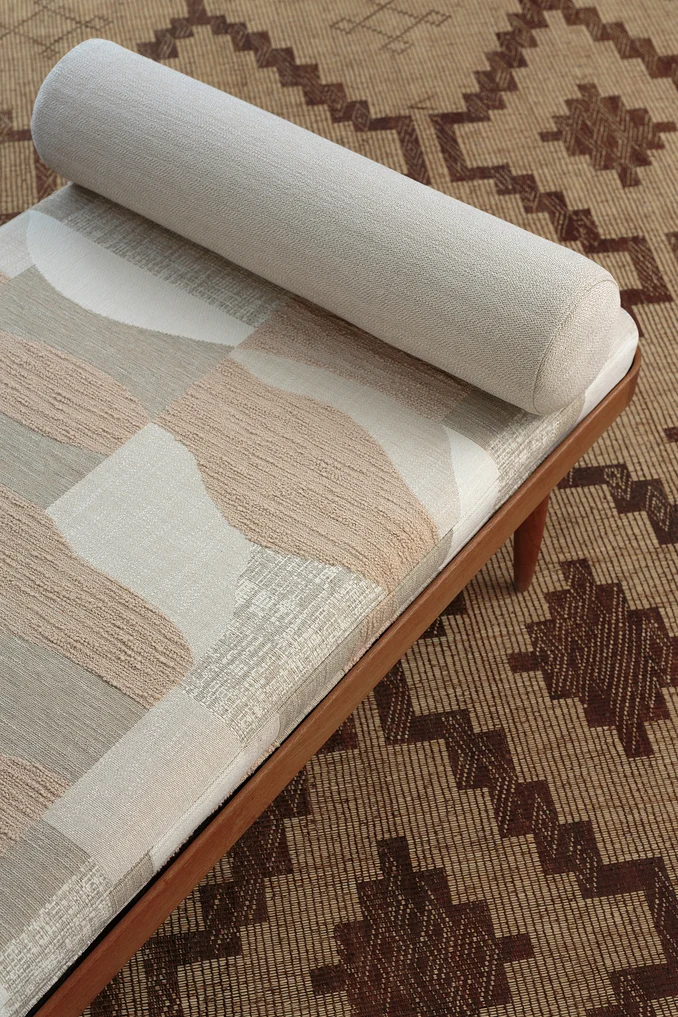
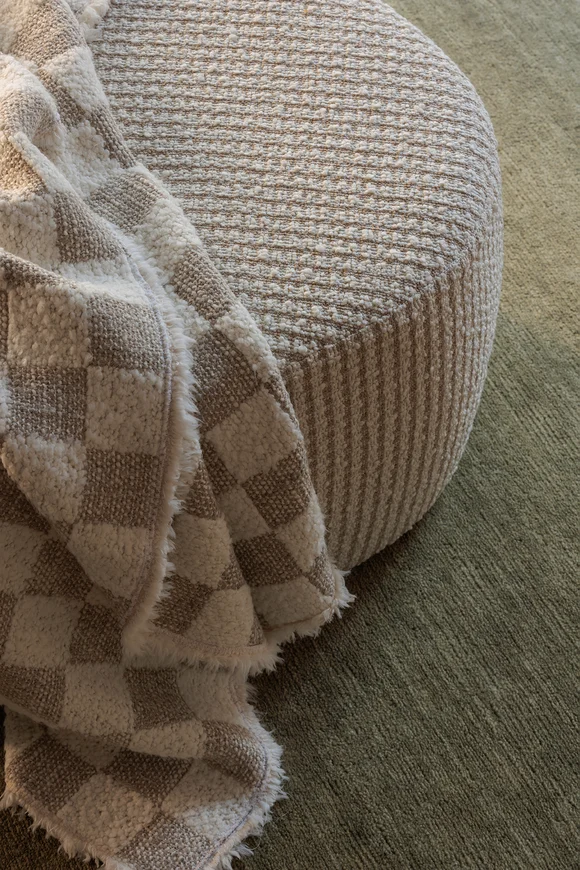
Jacquard | Santa Fe colour Dust by Mokum
The basic fabric styles for curtains and upholstery
Five core fabric styles form the foundation for the vast array of curtain and upholstery fabrics you see on the market today; each presents unique characteristics and is manufactured using different techniques.
You may be wondering why cotton and linen are not included here, this is because they are textile fibres falling within one or many of the categories below. To learn more about natural and synthetic textile fibres, consult our previous article.
Now, let’s dive into our high-level overview of the styles of fabrics available for residential and commercial interior projects.
Plain
Plain
Plain fabrics are characterised by simple weaves and textures without a complex design.
Simple weaves include hopsack, twill, herringbone, and satin. Natural (cotton, linen) and synthetic (polyester, acrylic, etc.) fibres are commonly used into the composition of plain fabrics.
Plain fabrics offer a simple and pared back aesthetic, perfect for the base of a scheme. Ideal for a minimalist décor, you can complement plain fabrics with more textured and tactile textiles to add interest to your décor.


PRINTED
PRINTED
Printing is the process of applying coloured designs and patterns to a woven textile. One or more colours are applied to the fabric in specific parts only, using thickened dyes to prevent the colour from spreading beyond the limits of the pattern or design. In quality printed fabrics, the colour is bonded with the fibre to resist loss of dye from washing and friction (crocking).
Printed fabrics are widely available and allow you to create interesting design concepts when used together or paired with other styles of fabric.
Printing is an ancient textile manufacturing technique of which there are five production methods:
Burn Out Printing:
A process which uses chemicals, rather than colour, to burn out or dissolve one fibre in a fabric. The purpose is to achieve a sheer design on a solid or opaque ground. The chemicals used during production can make this fabric sensitive to ultraviolet degradation when hung in direct sunlight.
Digital Printing:
Rapidly becoming the most popular and commercially viable printing method due to its flexibility, precision, and consistency, with this technique it is now possible to print any design, even with photographic detail, onto fabric. There are no restrictions in the number of colours that can be used.
Engraved Roller Printing:
The printing method used for most fabrics worldwide. Colours are printed directly onto the fabric, using one roller for each colour in the print. The more colours used, the better the print definition and depth of colour. The number of colours used is printed on the left-hand selvedge of a fabric alongside the brand name.
Hand Block Printing:
The oldest form of printing. Print designs are created by transferring dyestuffs onto fabric with the help of wooden, linoleum, or copper blocks. Artisans handcraft individual blocks to carry each different colour in a design and perfectly match the block placement, creating the all-over design.
Transfer Paper Printing:
Generally used to print onto polyester-cotton blend fabrics. The printed design is transferred from paper to fabric via heat and pressure. The print definition is generally excellent.


EMBROIDERY
EMBROIDERY
Embroidery is ornamental needlework which decorates fabric and is generally produced by programmable embroidery machines. Although a wide variety of thread types can be used, silk, cotton, viscose, and polyester are most common. The design work can also incorporate other materials such as pearls, beads, seashells, or sequins.
The art of embroidery has been found worldwide, with several examples dating back to 5th-3rd century BC.
Due to their delicate nature, embroidered textiles are commonly used for drapery and accessory application rather than upholstery. If you are looking to create a beautiful or intricate detail in your interior scheme, look no further than an embroidered fabric to achieve this.


APPLIQUÉ
APPLIQUÉ
Appliqué refers to a needlework technique in which fabric designs are cut out and sewn onto or applied to a larger piece of contrasting fabric. Most appliqué are now produced on modern embroidery machines where the stitching, detailing, and trimming are achieved mechanically.
Found on quilts and blankets in many cultures, appliqué fabrics are identifiable by their stunning embellishments. Appliqué fabrics must durable and unsusceptible to fraying. Appliqué is a stunning way to elevate fabric with shapes or add dimension and interest, whether going for a maximalist look or creating a statement element in a room.
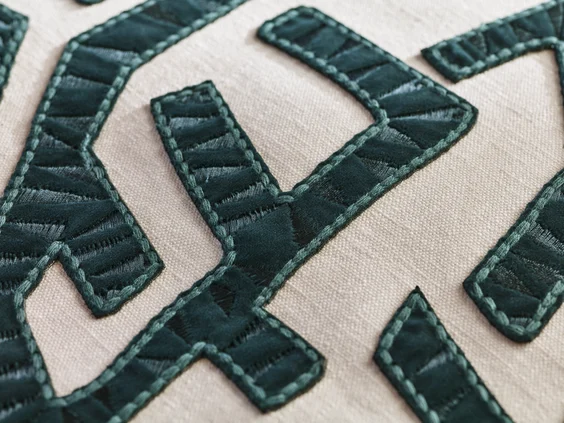
Arp by Zinc Textile
JACQUARD
JACQUARD
The term jacquard indicates how a pattern is woven, not the specific pattern itself. Traditional jacquard fabrics are brocades and damasks.
Jacquards are intricate fabrics woven on jacquard looms, a machine invented by Joseph J.M. Jacquard in 1801- 1804. Jacquard looms can weave any pattern or design, as the patterning mechanism enables control of up to several hundred warp threads.
A jacquard style of fabric incorporates the pattern and colours into the weave instead of being dyed or printed onto the surface of the fabric, making them durable, resistant to wrinkling, and pleasant to touch.


All interior furnishing fabrics fall into one of these five basic categories, with some more suitable for a specific application and some encompassing many. To learn about common textile constructions, consult our next article.
If you are seeking sumptuous tactility through dimension and texture, then bouclé is the fabric for you. Referring both to the yarn and the fabric made from the yarn, bouclé can be used for drapery, upholstery, or accessory fabrics and although traditionally woven from wool or mohair, it is now p...